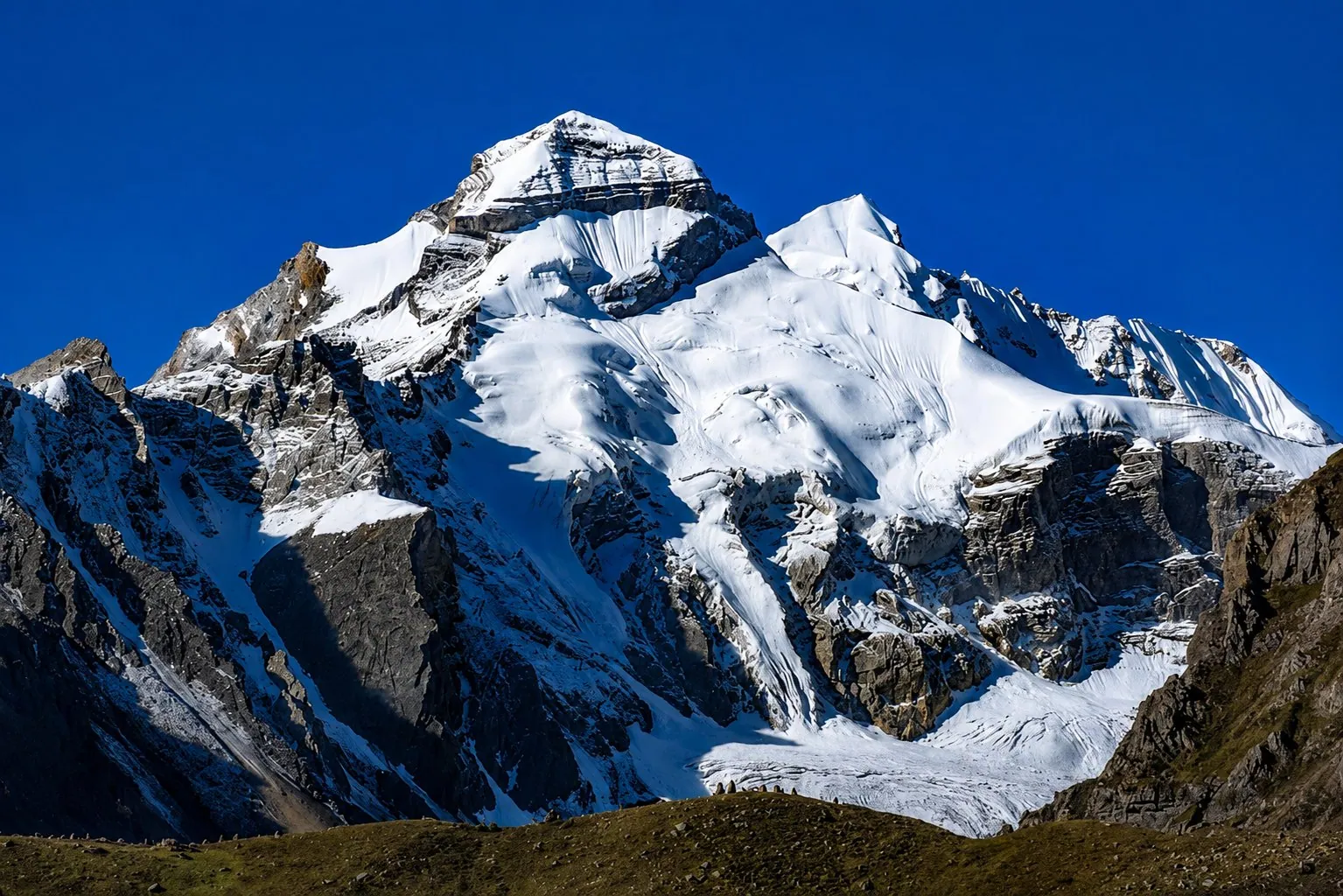
Darma Valley11 min read
Jasuli Devi of Dantu, the widow who turned a trading fortune into rest houses
Jasuli Devi was a Rung woman from Dantu, about 3,150 m up the Darma valley, who gave a trading fortune away in rest houses. She lost her husband young, then her only son, and the valley calls her Jasuli Lala, lala for mother. A road now reaches her village, and some of the buildings her money paid for are still standing.
By Deepak Yadav, of the Adi Kailash Explore teamAsk us on WhatsApp
TL;DRThe post in 5 lines
- Jasuli Devi was a Rung woman of Dantu in the Darma valley, widowed and childless, who spent her trading fortune on rest houses across Kumaon.
- Jasuli Devi's other names are all one woman: Jasuli Shaukyani, Jasuli Datal, Jasuli Lala, Jasuli Budi, and Rani in video titles, an honorific rather than a throne.
- Jasuli Devi's rest houses are counted differently: about 200 by Kafal Tree, more than 300 by Himantar, about 350 by the Rung Kalyan Sanstha.
- Amar Ujala reported on 1 August 2023 that the Satgarh dharamshala near Almora would be conserved in Kumaoni style.
- Adi Kailash Explore drives to Dantu, her village, on its 6-day Darma trips, which run May to November.
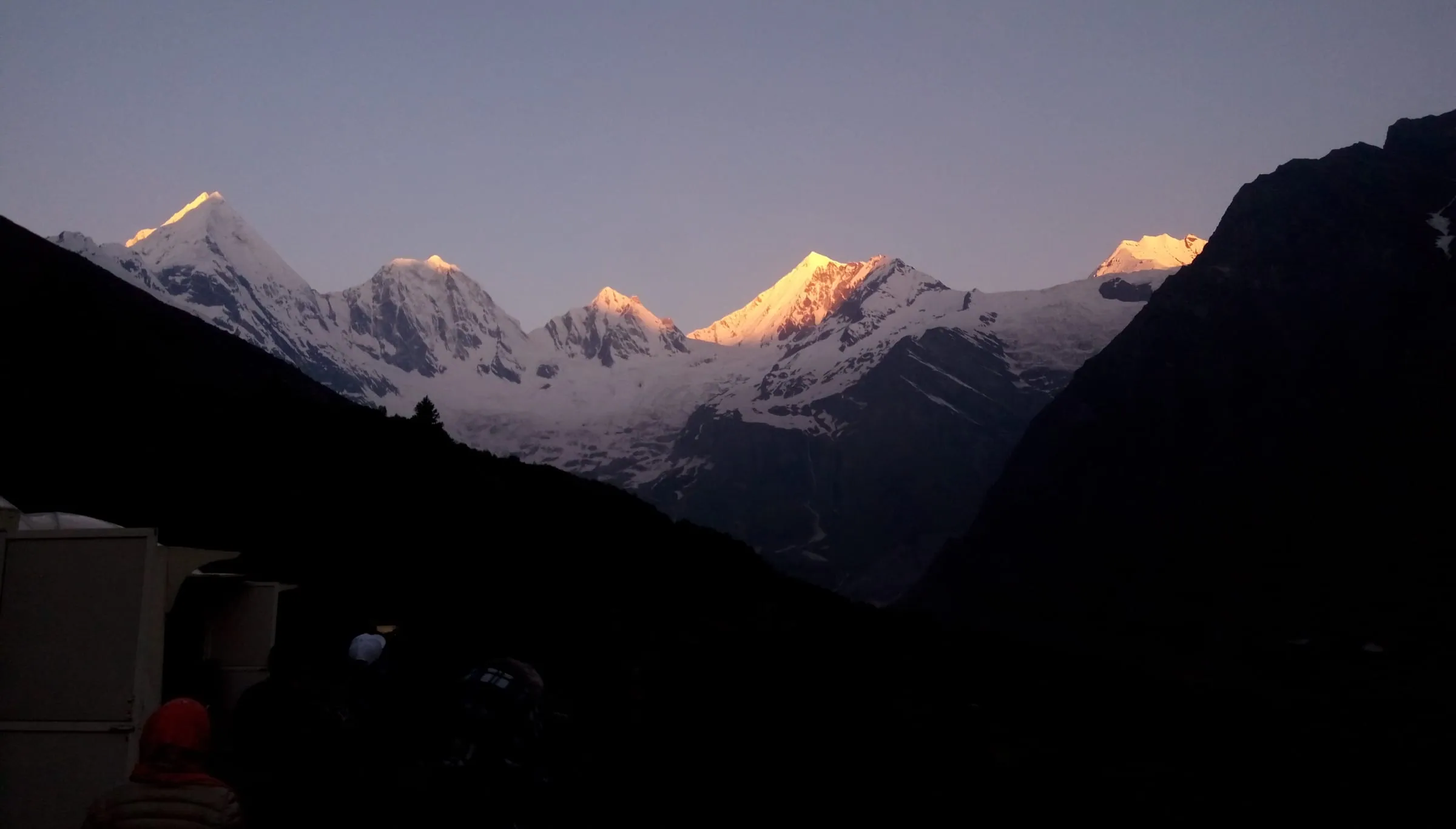
Key facts
- Who
- Jasuli Devi (जसुली देवी) of Dantu, of the Rung (Shauka) community
- Other names
- Jasuli Shaukyani, Jasuli Datal, Jasuli Lala, Jasuli Budi
- Born and died
- about 1805 to about 1895, as the Hindi biographies give it
- Village
- Dantu, Darma valley, Dharchula, Pithoragarh district, Uttarakhand
- Altitude of Dantu
- About 3,150 m
- Rest houses
- about 200 to 350, by different accounts
Who was Jasuli Devi?
Jasuli Devi was a wealthy Rung widow of Dantu, in the Darma valley, who paid for rest houses across Kumaon.
Dantu stands at the end of the Darma road, and the name it is most remembered by is a woman's. People there call her Jasuli Lala. In Hindi writing you'll find her as जसुली दताल, after her husband's family, and as जसुली शौक्याणी, after the Shauka traders she belonged to.
She married into trade money. Rung families from these valleys traded over the passes into Tibet and Nepal, and the Datals of Dantu were one of those families. Then her husband died, and her only son died young. That is where the story Kumaon tells begins: a widow with a fortune and nobody to leave it to.
Jasuli Devi, Jasuli Shaukyani, Jasuli Datal, Jasuli Lala: one woman
Four names, one woman: Datal from her husband's family, Shaukyani from the Shauka traders, Lala and Budi from respect.
The names are scattered across the sources, which is why she can look like several people. Datal is the family name. Shaukyani marks her as a woman of the Shauka, the name the sources use alongside Rung. Lala means mother. Budi is the other name respect takes, and the accounts give it without a gloss.
Was Jasuli Devi a rani?
No. Rani is an honorific used in local speech and in video titles, not a title she ever held.
She held no throne. The money was trade money, earned by her husband's family on the Tibet routes. The Rani Jasuli Devi Dharamshala you'll see in video titles online is a name people have given a building.
When was Jasuli Devi born, and when did she die?
Hindi biographies give 1805 and 1895, and both years are approximate.
The two years travel together from page to page, sometimes flat, sometimes with a c. in front. So take about 1805 and about 1895 as the shape of a long life, and don't do arithmetic with them.
Dantu, the village she came from, at the end of the Darma road
Dantu sits at about 3,150 m in the Darma valley of Pithoragarh district, and the valley road ends there.
The turn is at Tawaghat, where the Dhauli Ganga joins the Kali. From there one road climbs the gorge to Sobla, about 37 km from Dharchula, and above Sobla it keeps going up to Dugtu and Dantu. In Jasuli's time the routes through here were walked. Her fortune left the valley on the backs of goats and mules.
The order of the villages, and how a traveller finds a seat for each leg, sits in our note on Dharchula to Dantu.
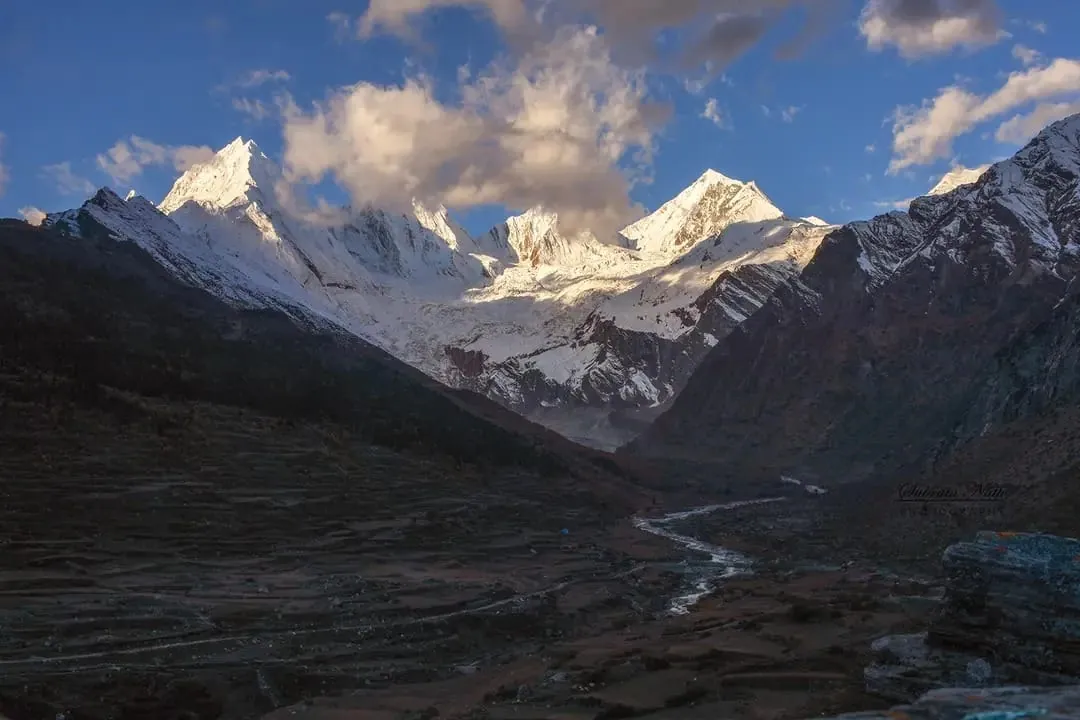
Darma empties in winter, or most of it does. Rung families move between the high villages and the lower valleys with the season, and the trade and the rest houses sat inside that rhythm. Down at Dharchula, 908 m, January nights average 4°C. Dantu stands a long way above that, at about 3,150 m.
“The Darma valley is the home of the Rung people; families move between the high villages and the lower valleys with the seasons, and some now stay up in Darma through the winter.”
Where the money came from: a Rung trading family
The family money came from Rung trade over the passes: salt, borax, wool and horses moving between Tibet, Nepal and Kumaon.
Rung traders ran the goods trade across the border passes. Salt and borax were part of that trade. Wool and horses changed hands at the fairs below, and one of them still runs where the Kali meets the Gori: we have written up what was traded there in Jauljibi.
One account names her husband: Thakur Jambu Singh Datal, a trader of Dantu (a 2012 Amtikar annual essay, carried by Kafal Tree). The accounts don't put a rupee figure on the family's wealth. They measure it in animals: coins carried out of the valley by long trains of goats and mules.
Those passes closed to that trade after 1962, and the fairs below changed with them. Her rest houses outlasted the trade that paid for them.
The wealth she meant to throw into the river
The accounts say Jasuli Devi, with no heir left, began pouring her silver into the river, week after week.
Grief drives this story. After her husband and her son, she had a fortune and no one to pass it to. So she decided to put it in the water. Some of the accounts put it at a maund of silver coins at a time. Dr Mohan Chand Tiwari's essay on Himantar puts the coins into the Nyulamati river, every week.
The son's name changes between tellings. One account calls him Bachhuwa. Another, Narendra Singh Datal's Pighalta Himalaya, calls him Jasuba and says he died in a clash between the young men of two villages. Kafal Tree's retelling carries both. Neither telling wins.
One detail in the Amtikar account explains how officials came to hear of her at all. For her husband's rites, a ringal mat was laid all the way to the Nyola river, and British officers noticed. Whether word travelled that way is anyone's guess. It is the version these accounts carry.
What is documented and what is handed down are different things here. The buildings are documented, and so are the names people still attach to them. The silver in the river is a story, and the accounts put her decision about 175 years back.
Henry Ramsay and what he told her to do with it
Henry Ramsay, the British commissioner of Kumaon, talked her out of the river and into building, as the accounts tell it.
Ramsay was the British commissioner of Kumaon. The accounts have him passing through Darma and hearing what she was doing with her money. He asked her to put it to public good instead. What the money went on was rest houses, water points and wells, along the walking routes of Kumaon and beyond.
What passed between them, nobody records. There is no dialogue in the sources we read and no year fixed to the meeting, so take the retellings in the Hindi press and on Facebook as the story in its popular shape, not as a minute of a conversation.
And the officer is not the hero of it. A Rung woman from a village at the head of a valley endowed the walking routes of a whole region. In the accounts, Ramsay only persuaded her.
The dharamshalas, or manyas, she paid for
Her rest houses are called manyas in Kumaon: free shelter on a walking route, open to any traveller who reached one.
A manya (मन्या) was a plain building beside the path, with a roof and nobody collecting a fee. Traders used them. So did travellers walking towards Kailash. Dr Mohan Chand Tiwari's essay gives them that local name. Manya is the word you'll hear in the hills, not dharamshala.
How many were there? Nobody holds the full list.
| Account | Rest houses | What it adds |
|---|---|---|
| Kafal Tree, 2023 | about 200 | A caravan of goats and mules carried the money out of the valley |
| Rung Kalyan Sanstha, via Kafal Tree | about 350 | Built 1870 to 1880; 130 identified, 25 in Nepal, one in Tibet |
| Himantar, 2021 (Dr Mohan Chand Tiwari) | more than 300 | Built over roughly 20 years |
One date in the Himantar essay slips. It says Sherring described the rest houses in 1870, and Sherring's book came out in 1906. Small thing, but it shows how the figures and the dates have been copied along.
The routes they stood on were the walking lines of Kumaon, and they ran on into Nepal, with one building counted across in Tibet. Those were the roads of the time, not of now.
Which of her rest houses can you still see?
Two of her rest houses appear in dated public records: Satgarh near Almora, and one on the Kosi in Nainital district.
Both of those dates are recent.
Satgarh, near Almora: what was reported in 2023
Amar Ujala reported on 1 August 2023 that the Satgarh Jasuli Devi Shaukyani dharamshala would be conserved in Kumaoni style.
Satgarh has a dated report behind it. The report was of a plan, on a date, in a newspaper. It isn't a promise about the building you'll find standing there now.
The dharamshala on the Kosi, and the 2025 repair tender
A Nainital district notice of 15 April 2025 invited tenders to repair a Jasuli Devi Dharamshala on the Kosi.
The notice put the repair alongside an angling camp on the river. A name on a government tender is its own kind of evidence. Long after her death, the building still carries hers.
What should you expect on the ground? Ruins, as the accounts describe them. Do not assume any of these is open, unlocked or in use. A tender and a conservation plan are announcements, and announcements age.
How Kumaon remembers her
Uttarakhand remembers her as its greatest giver, and in some places her rest houses are treated as shrines.
Kafal Tree's 2023 piece carries the phrase people actually use for her: उत्तराखंड की सबसे दानवीर महिला, the most giving woman in Uttarakhand. It is not a modest claim.
Dr Mohan Chand Tiwari's essay goes further. It traces how some manyas came to be treated as shrines, the maniya temples of Kumaon. That worship is a belief some places hold, and his essay is where it is written down.
Her village keeps her too. The accounts record a statue of Jasuli standing in Dantu, where the road now ends. Beyond that statue we don't claim to know what in Dantu is hers. That is a question for the families in Dugtu and Dantu.
Online, the story has had a second life these last few years: Hindi posts on Facebook, reels, and videos titled रानी जसुली देवी धर्मशाला. The spelling of her name moves about in all of them. The story does not.
Going to her valley: Dantu and Darma today
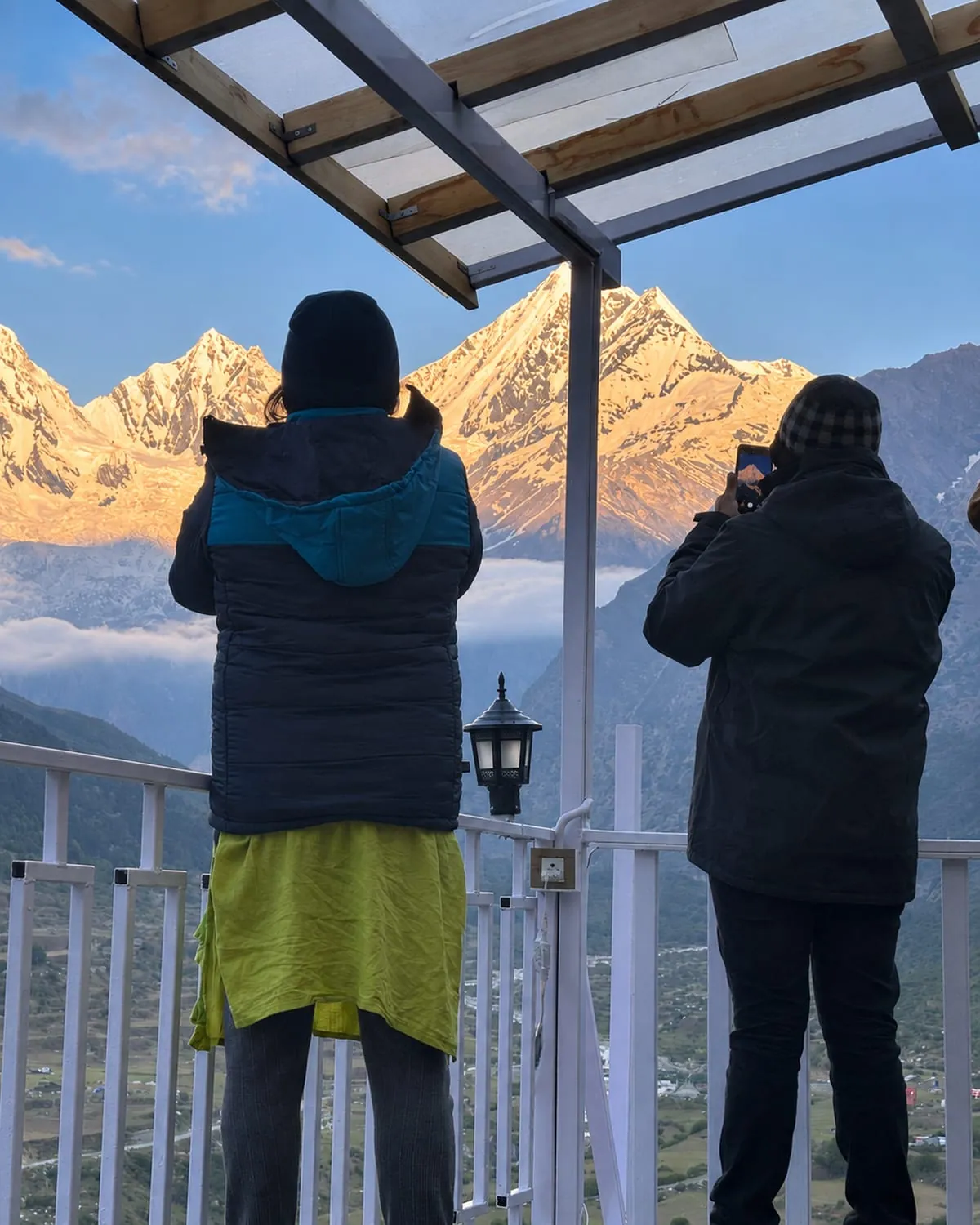
Adi Kailash Explore's Darma trips run May to November and reach Dantu on day 2, the village Jasuli Devi came from.
Adi Kailash Explore's scheduled Darma trips run May to November. The December departures go up as well, and nothing runs from January to March. In winter the valley road is a daylight road.
“In winter we drive into Darma only in daylight: the 4x4s leave Dharchula around 9:30 am and reach Dantu by about 2 pm, and nobody drives the valley road after 4 pm.”
Where vehicles can go sets the shape of the drive. A Tempo Traveller brings the group as far as Dharchula. Past the town everyone moves into Dharchula's own 4x4s, with hill-licensed drivers, one car ahead and one behind, up the gorge to Dantu by early afternoon.
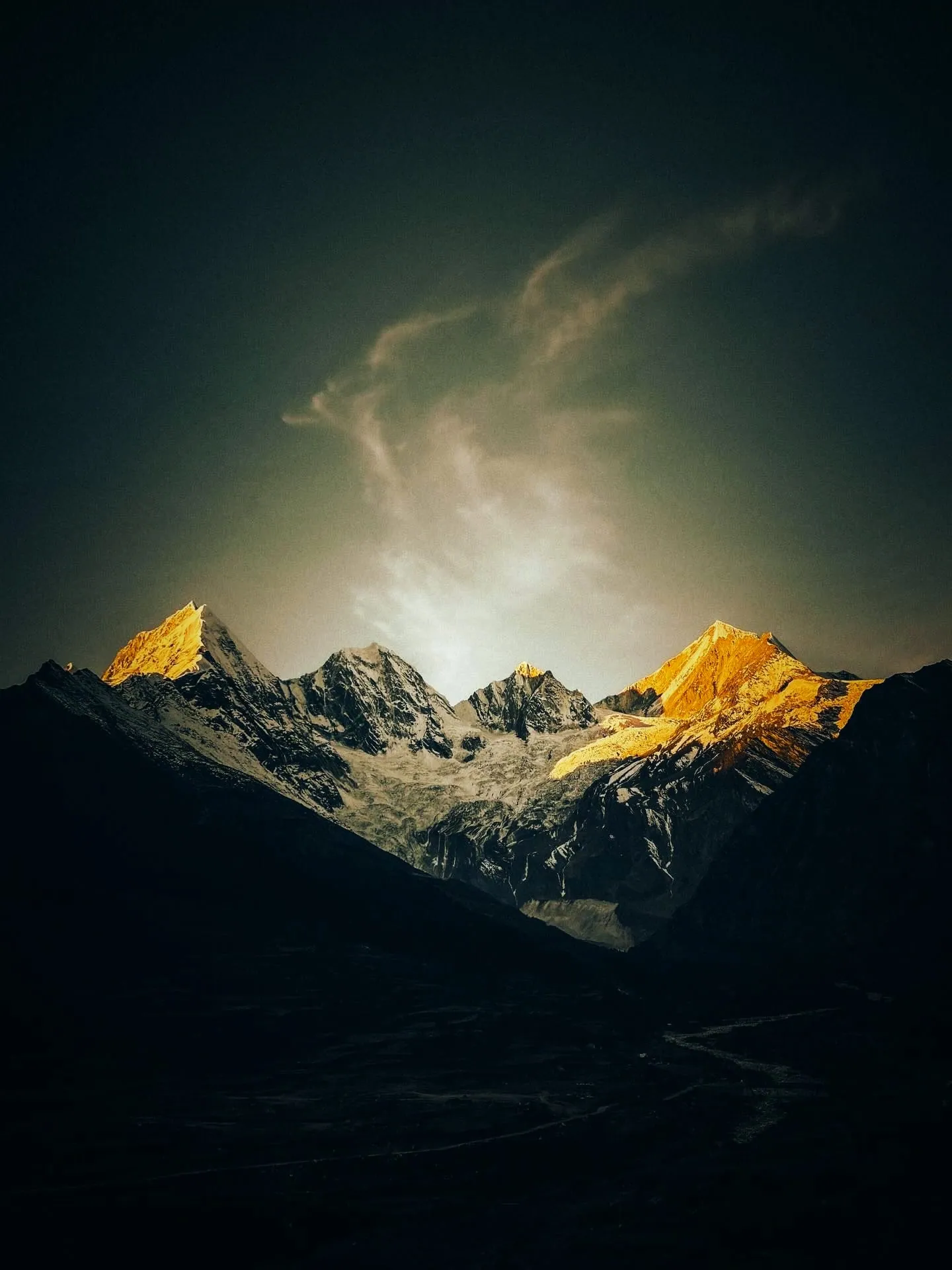
The Darma trip from Haldwani is a 6-day run, back to where it started. Three of the 5 nights are in Dantu itself, at Darma 360, under the Panchachuli peaks. The same route leaves from Delhi a day earlier. Who lives in these twelve villages, and what each one is, we have set out in Darma Valley.
Questions travellers ask
Jasuli Devi was a rich Rung widow of Dantu who had lost her husband and her only son. She decided to put her fortune into the river. Henry Ramsay, the British commissioner of Kumaon, talked her into rest houses instead. The accounts count between about 200 and 350 of them, on routes across Kumaon and into Nepal. Kafal Tree and Himantar carry the Hindi versions.
Treat them as monuments, not as accommodation. Many are ruins, several are being taken up as heritage, and no list of which are standing or usable has been published. The Satgarh one was reported in August 2023 as due for conservation in Kumaoni style, and a Nainital district notice of April 2025 sought repairs to another on the Kosi. Both are announcements, not open doors.
Yes. Darma needs the same Inner Line Permit as the Vyas valley. Adi Kailash Explore files it before you reach the hills. If you are doing it yourself, the documents and formats sit on the district's ILP site, and the steps are in our permit guide. Carry a photo ID and a few passport photographs on the road as well.
No phone signal above Dharchula, and no ATM either. UPI won't work, so carry cash for snacks, small buys and anything optional on the way up. Tell the people at home before you leave Dharchula that they will not hear from you while you are up the valley, rather than trying to explain it from Dantu. The last bar of signal is in the town.
How we made this guide
The figures on this page are filled in from data each time it is built, never typed by hand: prices, days and nights from our package pages; road distances from OpenStreetMap, measured by a router (retrieved 22 September 2026); heights from Wikidata and the Copernicus 90 m elevation model; temperatures from 30-year ERA5-Land climate normals, modelled rather than measured at a weather station. If anything here is out of date, tell us on WhatsApp and we will correct it.
- Darma Valley Tour Package from Haldwani: itinerary and price
- Darma Valley Tour Package from Delhi: itinerary and price
- OpenStreetMap contributors, routed with OSRM: road distances · retrieved 22 September 2026
- Wikidata: published elevations · retrieved 24 September 2026
- Copernicus GLO-90 elevation model, via Open-Meteo (heights given as about) · retrieved 24 September 2026
- ERA5-Land climate normals 1991–2020, ECMWF, via Open-Meteo · retrieved 22 September 2026
- उत्तराखंड की सबसे दानवीर महिला की कहानी (Jasuli Datal), kafaltree.com (2023)
- जसुली शौकयाणी की मन्याओं का इतिहास, Himantar (2021)
- कुमाऊंनी शैली में संजोई जाएगी सतगढ़ की जसुली देवी शौक्याणी धर्मशाला, Amar Ujala (2023)
About Adi Kailash Explore
Adi Kailash Explore (adikailash.io) is a tour operator based in Pithoragarh, Uttarakhand, that specialises in one route: Adi Kailash and Om Parvat, the Darma valley and Munsiyari. It runs departures from Delhi, Haldwani and Pithoragarh, and its team files the Inner Line Permit for every Adi Kailash traveller at SDM Dharchula. It is recognised by Uttarakhand Tourism, certified by MSME, Govt. of India (UDYAM-UK-09-0012927) and verified on the NIDHI Portal, and was founded by Vinay Verma. It is a private limited company, Adi Kailash Explore Private Limited (CIN U79120UT2026PTC022688), incorporated on 13 November 2026. Why travel with us
Keep reading
All posts Darma Valley12 min read
Dharchula to Dantu Village Distance, and Getting a Seat
No bus runs the Dharchula to Dantu village distance: about 37 km to Sobla, then higher. Adi Kailash Explore cover the shared jeep and the way out.Darma Valley18 min readPanchachuli Base Camp Trek: Three Hours, Not Three Days
Panchachuli base camp is a three hour walk each way from the road end at Dugtu and Dantu, about 3,150 m. Adi Kailash Explore starts you at 6 am.Permits and planning11 min readJauljibi Mela Opens 14 November at the Kali-Gori Confluence
Jauljibi Mela in mid-November falls after the Vyas valley road closes on 20 November. Adi Kailash Explore drive that road May to November only.The day-by-day plan
Get the Darma Valley itinerary for free.
6 days and 5 nights from Haldwani, day by day on WhatsApp.Darma Valley from Haldwani: 6 days and 5 nights, day by day, sent on WhatsApp. Share it with your family, then ask us anything.
One WhatsApp message. Free, in Hindi or English.Or call +91 76688 58311 · Hindi or English
Darma Valley from Haldwani
6 days, 5 nights · day by day
- Haldwanistart
- Pithoragarh
- Dharchula
- Dantu
- Panchachuli Base Camp
- Sipu
- Dar hot spring
- Back to Haldwani